過去我們葬禮,即一個人離世後處理遺體禮儀形式多停留火葬或土葬,但人們開始不忌諱參與人生事前規劃,葬禮要求產生各種需求。
甲板集團Papan Memorial Group旗下風景墓園甲板山莊首度推出骨灰土葬福地“聚孝園”,葬禮上火葬和土葬儀式二合一,準備規劃身後事或殮葬儀式人,多一個選擇。
骨灰土葬顧名思義結合火葬和土葬形式於一身葬禮儀式,即逝者遺體進行火化和骨灰入甕後進行土葬儀式,而傳統土葬,骨灰土葬儀式價格親民,能達到入土安理念,想擁有傳統土葬服務顧客多一個選。
骨灰土葬福地巒頭看去像大象,風水格局,安葬此先人後代可能成為成功人士。
(陳俔提供) 陳俔:甲板山莊骨灰土葬福地“聚孝園”擁有典型智慧生財風水格局。
(陳俔提供)風水玄學家陳俔師傅受訪時説,骨灰土葬儀式源自土地地區如香港和台灣,後來傳到馬來西亞,基於骨灰土葬儀式花費土葬來得經濟,而且一樣能先人選擇風水地下葬,因而受到人歡迎。
他説,風水計算要訣於天、地、人,人大體本身,即使大體進行火化後進行土葬,只要土葬地是一個福地,後代可獲得風水。
這種現象《葬經》中稱鬼福及人。

“骨灰土葬福地巒頭,即山形狀看像一頭大象,風水角度來講,大象象徵人、事業心強和,這意味着安葬此先人後代可能成為成功人士。
”甲板集團旗下風景墓園甲板山莊首度推出結合火葬和土葬形式於一身骨灰土葬福地“聚孝園”。
(甲板山莊提供、電腦構造圖) 骨灰土葬儀式比起傳統土葬價格親民,能達到入土安理念。
(甲板山莊提供、電腦構造圖)陳俔提到,於骨灰土葬儀式是火化和土葬兩種形式結合在一起,這可為後代減少了為先人“撿金”或“拾骨葬”,即先人遺體下葬一段時期後開棺撿骨傳統。
“骨灰土葬可達到入土安和平平安安意義,能擁有自己風水土葬福地,亦可避免先人葬養屍地,是一個有後顧之憂選擇。
”甲板集團副總經理黃寶琪指出,人生各年齡階段會進行禮儀,包括誕生禮、成年禮、婚禮、壽禮和喪禮,出生時透過月儀式公告所有人,離開時會殯葬禮上通知所有人,人生告一段落。
她説,風景墓園甲板山莊希望透過多元化產品,自己人生後旅程有需求顧客提供方案,包括可預先分期付款方式購買甲板一站式《生命規劃·契約》殯儀服務,規劃自己將來殯儀和葬禮細節。
“甲板山莊擁有風水骨灰蓮位和土葬福地下葬儀式,人們生命禮儀提供結束。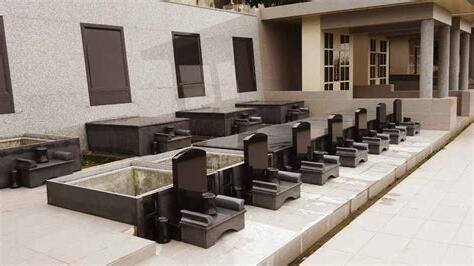
”縱觀各國,各地葬送歷史,傳統,習俗因素,可以發現很多種葬法,如土葬,火葬,天葬,但許多土葬沒有半點風水意義。
通俗來講“妥善安置閒人遺骨,因此應吉凶”其中有讓人認知顛倒,錯誤判斷。
而埋葬骨灰是火葬後葬,寄風水託,可以説是推廣火花後,圖謀陰宅風水福分,一廂情願事。
考證過去,分析事實,驗證骨灰葬墳,風水功效當代風水有這現實意義。
人有三魂,往生後,有一魂附屍。
葬地後,屍化骨存,其墓場環境吉凶氣息,入骨附魂,回饋生者親人、後人身上。
這種現象《葬經》中稱鬼福及人。
看似,科學解釋,無形可觀,無量可計。
但這是客觀存在,倒進,無事事實所印證存在。
由此看出,祖先知曉風水兩要素,屍骨,地氣。
陰宅環境風水人發生關係媒介是地氣薰染遺骨,遺骨吸收吉凶,傳給子嗣。
1.民間傳統,塵歸塵土歸土,一了百了。
(沒有風水媒介企圖)2.宗教傳統,幫助往生人,靈魂淨化,烈火中獲得永生。
(讓靈魂離體,莫戀遺體)3.社會需求,節約土地資源。
(強制處理)綜上所述,前兩種可知,火葬後骨灰,失去,作為陰宅風水媒介功能。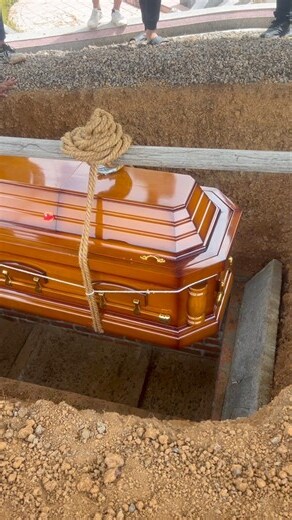
骨灰處理因各地歷史風俗,多種多樣。
佛教:生火葬,收取舍利子供奉,或骨灰放置骨灰塔內。
除此之外有許多地方,將故人火葬後骨灰,安置家中,放在祠廟、骨灰樓地,以上各地有各式各樣安魂儀式。
為止,總了亡靈故事,沒有關於骨灰安置於風水關係。
無論土葬或火化,葬禮後階段有關,即是遺體處理。
土葬時,遺體埋地底下,或者是地窖或陵墓。
奴隸社會和社會,各家庭有墓葬場。
延伸閱讀…
有些家屬選擇骨灰埋入墓地或撒海。
兩者之間,火化經濟。
近年來,火化受歡迎,超越土葬需求。
但注意是,宗教派系採取埋葬方式,有者允許火化,有者鼓勵火化。
宗教信仰人則偏向環保因素而選擇火化。
歸根結底,如果沒有任何宗教信仰,土葬或火化是個人選擇。
這讓你親人知道你後意願因素之一。
只要做好事前規劃,才不會讓你愛人陷入於抉擇局面。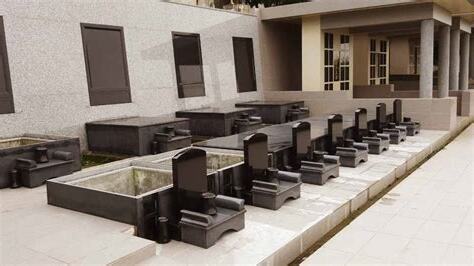
In its most basic context, the act of making an offering in Buddhist tradition enables one to practice generosity in giving, to express gratitude and respect, and to contemplate on the life sustaining law of interdependence. In Buddhist teachings, all of suffering is a result not knowing and not seeing. The offering of light dispels darkness, which is the perfect allegory for the illumination of wisdom extinguishing the darkness of ignorance.By offering light to the Buddha, it not only pays homage to his achievement of enlightenment, but it also serves as a reminder for oneself to strive for the same through the Dharma. Therefore, if one wishes to develop Dharma wisdom, he or she should offer light. The act of offering of light to the Buddha is also considered meritorious and is said to create the karma for great wealth and blessings for many hundreds or thousands of lifetimes.Although butter lamps are the traditional form when it comes to making offerings of light, Buddhist masters will be quick to dismiss the misconception that offering traditional butter lamps is the only acceptable way. Candles, lanterns and even battery or electric-powered lamps can also be used for this purpose. In fact, Buddhist teachers advocate that whatever light is clearer and dispels darkness then it is suitable to be offered. The most important thing is having the right motivation in making the offering.For the benefit of the layperson, the metaphysical art of Feng Shui can basically be divided into two; namely Yin House Feng Shui and Yang House Feng Shui. In a nutshell, Yin House Feng Shui is the practice of geomancy for the dwellings of the dead (tombs) while Yang House Feng Shui is the practice of geomancy for the dwellings of the living (houses). It is interesting to note that the latter is in fact an evolution and derivative of Yin House Feng Shui as all practices of Feng Shui began with tombs before it was later applied to houses and other buildings.The basis for both however is pretty much the same; that is to harvest the auspicious energies or “Qi” of the environment in order to bring about desirable and positive changes in various aspects of life. In Yin House Feng Shui, the bones of ancestors are said to have a direct link with their descendants. Therefore, to inter the bones of ancestors in tombs located on land with auspicious Feng Shui features are believed to help descendants prosper and achieve greatness.For this purpose, people will sometimes utilise pre-purchased auspicious burial plots. Instead of leaving the plot unused prior to using it for its intended purpose, they transform it into a Sheng Ji with the assistance of a Feng Shui master in order to reap the benefits for themselves while still alive. Occasionally, some may choose plots of lands not intended for burials but with excellent Feng Shui to execute this purpose.Ancestor worship is a practice that occupies a supreme role in the religious and social life of Chinese society. Deeply rooted in the all-important virtue of filial piety, much of its associated rites have remained unchanged since Confucian times. Integral to the practice of ancestor worship are ancestral tablets – sacred objects in which the spirit of deceased ancestors are believed to reside.Ancestral tablets vary in shape and size from place to place. Traditionally carved from wood, it is composed of three pieces – a square pedestal and two oblong upright pieces of unequal length. The longer piece terminates in a round knob that is set into the rear of the pedestal while the shorter piece is fitted into the front so that both appear as a single piece.Offerings of incense, candle and food are made to show reverence to one’s elders or ancestors, as part of the continued practice of filial piety that extends beyond death. The Chinese believe that the spirits of the ancestors will continue watch over the family and bless them; therefore, great care and respect must be shown to spirits of the ancestors as the protectors of a family’s fortunes. Due to lack of space for altars and time to perform worshipping rites in modern times, ancestral tablets are nowadays commonly installed in temples, clan halls or memorial centres where caretakers will perform worship on behalf of the family.There are people in their 20’s and 30’s considering pre-planning, while there are people in their 40’s and 50’s who may think it’s too early to even think about it. Majority are likely to hold the perception that those in their senior years should consider pre-planning because – for the lack of a better way to say it – they are closer to the “expiring age”. Who then is right, and who is wrong?The answer may come as a surprise; nobody is wrong and everyone is right. The truth is there is no age demographic that makes one more eligible to pre-plan than the other (with exception perhaps for those who are still too young to earn their own income). To understand the rationale to this, one can ask: who should marry? The answer is simple: those who are ready. The same answer is also applicable when it comes to the subject of who should pre-plan.Different factors may come into play for each individual considering pre-planning such as personal experiences, financial capability, mental awareness and concern for the welfare of their loved ones. The one thing these individuals have in common is readiness. As long as you feel mentally ready and financially stable to consider the idea, then you should pre-plan.The topic of death is a delicate one and it is understandable many are uncomfortable to discuss it. However, one should contemplate on this question: which comes first, tomorrow or death? We can never know for sure, but death does not discriminate and neither does it wait. So when it comes to the topic of the best time to pre-plan, there is no better time than now when you are already thinking about it.In fact, the common perception of waiting till we are older to do it may not be entirely correct. According to data from Knoema, the number of deaths in 2015 between ages of 25 and 69 numbered at 338.25 (thousand cases). In comparison, the number of deaths at the same year for those above the age of 70 numbered at 309.59 (thousand cases).The conclusion that we can draw here is that it is never too early to pre-plan. The sooner you do it, the greater your peace of mind. Similarly to the question of who should pre-plan, as long as you are ready to explore the idea, then you can proceed to do so.The words columbarium and mausoleum are sometimes used interchangeably but both terms actually refer to very distinct memorial structures. The mausoleum (or mausolea in plural) has always been associated with the interment of human remains and the term is derived from the tomb complex of King Mausolus, one of the Seven Wonders of the Ancient World. The columbarium on the other hand was initially used in Roman times as nesting niches for pigeons and doves. It only came to be associated with the interment of cremated human remains when Buddhists in ancient Asia started constructing similar structures for such purposes.Both structures are nowadays utilised as memorial structures but the columbarium is only used to house cremated remains. The mausoleum on the other hand, is designed to house whole bodies in general but can occasionally be designed to accommodate cinerary urns as well. Both columbaria and mausolea can accommodate from a handful of interments in a family setting to hundreds of interments in a shared or public setting. The term mausoleum can also sometimes be used in reference to specific collective burials in an enclosed indoor or outdoor setting as in the case of royalty, wealthy families or famous personalities. In Malaysia, mausoleum interments are generally only reserved for royalty or influential people such illustrious leaders or national heroes.Some famous examples of mausolea around the world include Forest Lawn Memorial Park’s Great Mausoleum (USA), Frogmore’s Royal Mausoleum (UK), the Pantheon (France), Qianling Mausoleum (China) and Taj Mahal (India). Well known examples of columbaria are the San Francisco Columbarium (USA), True Dragon Tower (Taiwan) and Columbaria of Vigna Codini (Italy).A columbarium is a construct used for the storage or final resting place of cremated remains in cinerary urns. They can be free standing structures, or part of a building with many niches resembling dovecotes. In fact, the term “columbarium” comes from the Latin term “columba” meaning “dove” which in the past was used to describe nesting compartments for doves and pigeons. The plural term for columbarium is called “columbaria”.Columbaria nowadays are popular choices as final resting places due to growing popularity of cremation, economical in terms of pricing, and the increasing scarcity of land. Like cemeteries and memorial parks, columbaria can either be privately or publicly managed although most cemeteries and memorial parks nowadays will also include columbaria for added convenience and to maximise options in terms of choice.Previously, columbaria are usually a part of religious complexes such as Buddhist temples and Christian churches as an extra benefit for local congregations or communities. Due to growing popularity and demand, columbaria are nowadays independent, elaborate structures reflecting cultural, religious or even fanciful themes. Privately managed columbaria may even offer the convenience of extra amenities and luxuries such as visitor’s centres, lounges and air-conditioning.The most popular memorial option is to place the urn at a columbarium – a permanent structure or building that is built specifically for this purpose consisting of many repositories or niches resembling dovecotes. The urn is placed within such a niche and occasionally families will place other things together with it, such as favourite items associated with the deceased or decorative and religious objects. The niche is then covered in a variety of ways. Some columbaria will employ the use of lockable door or glass covering which is inscribed with the deceased’s name and details. Others might seal the niche permanently with an inscribed stone covering or tile.Despite cremation, families may still choose the option of burial below ground in an urn garden. An urn garden is a burial ground designated for the burial of cremated remains only. Unlike a standard burial plot, an urn garden’s burial plot will contain a below ground compartment or vault big enough to accommodate an urn or two. A headstone or marker will then be installed at the plot to memorialise the deceased.Some families may choose the option of scattering the ashes (usually at sea or a favourite spot associated with deceased). For some cultures and religions such as Hinduism, this option is usually preferred although some land scarce countries might also encourage this practice. No permanent markers are erected after the ashes are scattered. However, families can still celebrate the memory of the deceased during selected anniversaries through personal or memorial prayers.Bereavement care providers are generally professional establishments that engage in death care, burial preparation, funeral and memorialization of the deceased. In the past, these establishments were traditionally known as “undertakers”.Depending on the size of the establishment, bereavement care providers may provide a different range of services. A small family owned establishment for instance may provide basic funeral services such as organising wakes and funerals, body transportation services, sale of products such as caskets and urns, and burial services. Larger enterprises may provide a larger range of integrated services aside from the ones mentioned above such as pre-planning, death reporting and documentation, body preparation services (e.g. embalming, restoration and cosmetology), funeral parlours, post funeral services, grief counselling, operation of private memorial parks and other value added services.Whichever option you choose to go with, there are always pros and cons. A small family owned establishment may at times have a community-based track record that goes back several generations and therefore can be counted upon to provide personable service although with limited range of services. Larger enterprises on the other hand can offer wider range of professional-level services although at a higher cost. The most important consideration here is that you and your family must be comfortable with the bereavement care provider.Owing to the unpredictability of death, bereavement care providers are generally on call 24 hours a day all year round and will be ready to assist at just a phone call. An understanding service representative or consultant will be more than willing to meet you in a place of your choosing.To save yourself time, you should make a list of all your needs and enquiries. A good and experienced bereavement care provider service representative or consultant will listen to them attentively and guide you through any enquiry you might have in a respectful and courteous manner. If you wish to get a good feel the product and services they offer, it may be more sensible and beneficial for you to visit their facilities to ensure your own satisfaction and peace of mind.Funerals tend to be very spiritual in nature and are generally dependent on the deceased’s cultural and religious background. The customs and practices may vary from place to place even for similar religions. Regardless of these differences, funerals are usually structured in a similar manner consisting of three distinctive stages: a beginning, middle, and an end. Each stage is intended to engage living participants to acknowledge a major change has occurred for the deceased and all involved, and to provide an opportunity for mourners to collectively grieve.(一)土葬,葬式之一。
稱埋葬。
流行於世界各地。
產生於石器時代中期。
西歐,莫斯特期墓葬是所知土葬。
原始公社時期,各氏族有墓地。
奴隸社會和社會,各家庭有墓葬場。
延伸閱讀…
土葬墓葬一個遺體,但有數人或氏族合葬。
(二)火葬,傳統葬式。
火焚屍,將骨灰貯於盒內殯葬方式。
始於歐洲新石器時代。
中國流行火葬是春秋戰國時氐羌人,其後藏、彝、拉祜、納西、普米、怒、哈尼、傣等族歷史上行火葬。
部分地區保持此種習俗。
藏族只有、上層喇嘛和貴族行火葬。
(三)水葬,世界上比古老葬法。
水葬在世界上大體有三種方式:1.漂屍式即死屍置於專門製作死亡船上,放入江河湖海,任其自然。
2.投河式即死屍背到河邊肢解後,投入河中。
四)天葬,將死者屍體喂鷲鷹。
鷲鷹食後飛上天空,藏族認為死者利昇天。
天葬天葬場舉行,各地有地點。
人死後,停屍數日,請喇嘛唸擇日送葬。
天葬師屍體衣服剝去,程序肢解屍體,肉骨剝離。
後哨聲呼來鷲,骨、肉順序餵食。
(五)洞葬,甲定洞葬位於甲定村慄木山半山腰上,上下有兩個洞口,棺柩擺放在繁樹濃陰所掩上洞,洞口,十餘米,有十餘米,有三四十米,目測可看見上百具棺柩置於“井”字形木架之上,列成五排,棺柩或頭朝外,或頭裏,其中有其規則。
(六)樹葬,骨灰深埋在一棵指定大樹下,或者骨灰撒土壤裏。
樹葬沒有墓穴,沒有或者使用可降解製骨灰罈。
它只作標記,如:樹下放一塊石頭,石頭上釘一塊銅板,寫上死者姓名、生卒年月。
樹葬是當今世界進殯葬理念和行為之一。