Instant Gratification, Delayed Reckoning: A 2026 Checkup for Scratch-Off Players
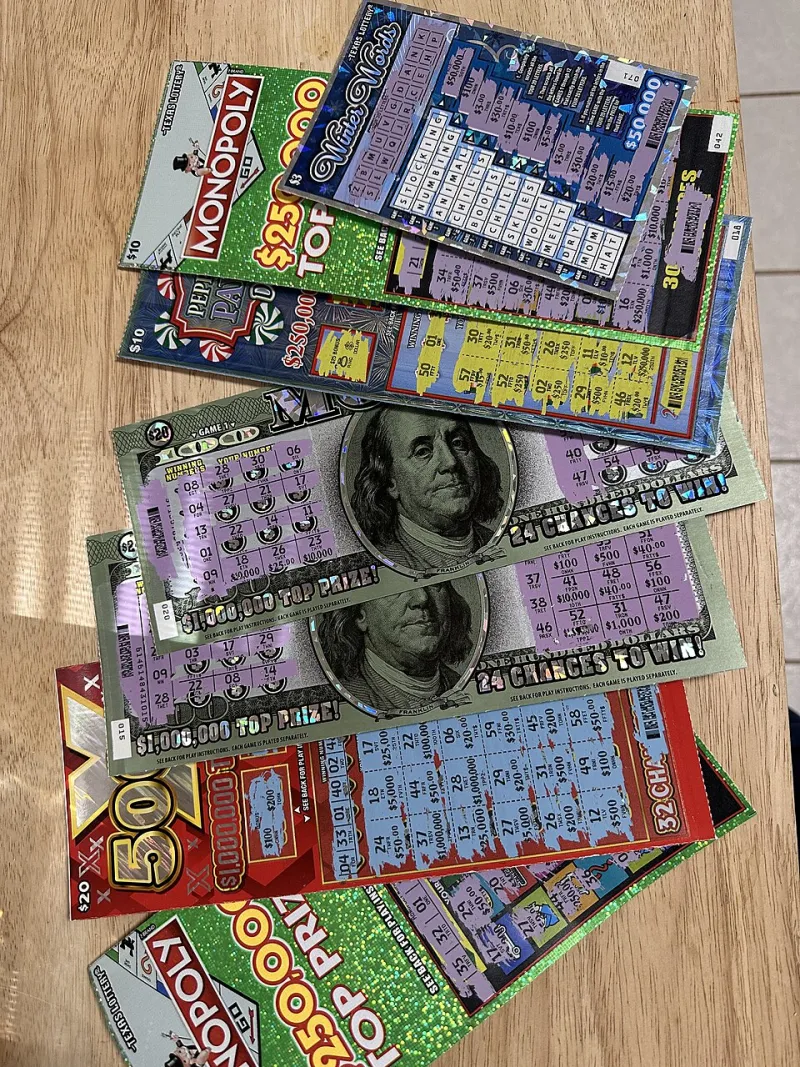
Photo: Jonathan Cutrer from San Angelo, Texas, United States, CC0, via Wikimedia Commons
Draw games have a rhythm to them. You buy a ticket, you wait, the balls drop, you check a results page. Somewhere in that gap between purchase and outcome, most people get a free moment to think about how much they've spent this week.
Scratch-offs don't have that gap. The outcome is already printed under the coating. The purchase, the play, and the resolution all happen at the same counter in the same ninety seconds. That's the whole appeal, and it's also the whole problem.
This isn't a lecture. It's a checkup, and you can run it in about ten minutes.
The Structure Is Genuinely Different
With a draw game, the odds are fixed by the format and the prize pool grows until somebody wins. With an instant game, the state lottery prints a finite number of tickets, assigns a fixed number of winners across a tiered prize structure, and the game ends when the top prizes are claimed or the tickets run out.
Two things follow from that, and both are things players routinely miss.
First, there are two different numbers on every scratch-off. The overall odds — usually something like 1 in 3.5 or 1 in 4 — describe the chance of winning anything at all, including a prize that's the same as the ticket price. The odds of the headline prize are a completely different number, often in the millions. Those are not the same claim and they shouldn't be read as one.
Second, most state lotteries publish a remaining prizes table for each active game. It shows how many top-tier prizes have been claimed and how many are still out there. If you're standing in front of a $20 game whose two biggest prizes were both cashed last spring, that's information you can actually use — not to predict anything, because you can't, but to understand what you're buying into.
"Winner Sold Here" Is a Memory, Not a Forecast
Retailers put up banners and window clings when they sell a big winner, and of course they do. It's good for business, and the retailer gets a bonus from the state lottery for selling the ticket. But the sign is a historical record. It means this store sold a winning ticket in the past. It says nothing — not one thing — about the odds of the next ticket in the dispenser.
Still, those signs work on us. They make a particular gas station feel lucky, and a lucky gas station is more fun to stop at than a normal one. Psychologists would call it a vividness effect. Your budget would call it a reason to spend an extra twenty dollars on a Tuesday.
If a store is your stop because it's convenient, great. If it's your stop because of a banner, notice that.
The Ten-Minute Checkup
Set a timer and work through these in order. Nothing here requires you to quit anything.
1. Write down your weekly instant-game number. Not what you think it is. What it actually is. If you don't know, check your bank or card statement for the last two weeks and add up the counter purchases.
2. Decide on a weekly cap in dollars, not tickets. A dollar figure survives a change in game price. "Two tickets" doesn't, because a $20 ticket and a $2 ticket are not remotely the same purchase.
3. Break the transaction into two steps. Buy the ticket. Then walk away from the counter before scratching it. Ten seconds of distance is the entire pause you're missing, and ten seconds is enough for the part of your brain that does arithmetic to show up.
4. Log the last five scratch-offs you bought. Game name, price, result. Most people find this uncomfortable. That's the point — it converts a blur into a list.
5. Check the remaining-prizes table for your favorite game before your next purchase. The lottery's website has it. It takes a minute and it makes the game feel less like a slot machine and more like a product with a spec sheet.
6. Know your state's claim rules for the size of prize you'd realistically win. Small prizes often get paid at the retailer; larger ones require a claim form and, above certain thresholds, federal withholding of 24%. Not knowing this doesn't change your odds, but it does change how a win feels when it arrives.
7. Pick one day a month to skip. Not for moral reasons. Just to confirm the habit is a habit and not a reflex.
Build the Pause Yourself
Draw games give you the waiting period for free. Instant games hand you the ticket and dare you to think about it later. If you play scratch-offs, the pause has to come from somewhere else — a walk to the car, a weekly cap, a five-ticket log, a monthly skip day.
None of that makes the game less fun. It just means you're the one running it.