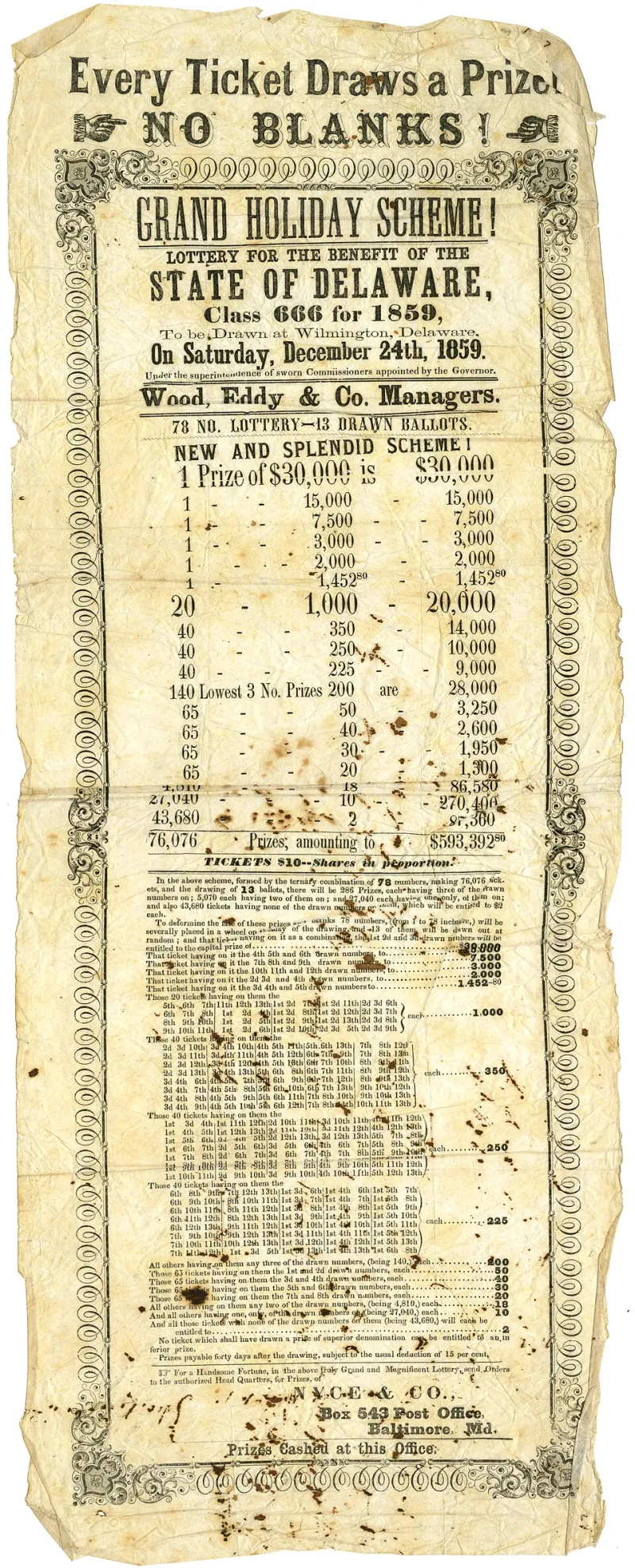
Before You Tap 'Claim Prize': A Two-Question Test for Lottery Scams in 2026
Photo: smartphone lottery scam text message warning, via images.pexels.com
A lottery scam rarely starts with a badly spelled email anymore. It can look like a text from a state lottery, a direct message from a 'claims agent,' or a polished page that mirrors a real results site. The goal is not to fool you forever. The goal is to get one quick action: a click, a call, a payment, or a reply with personal information.
The good news is that most of these messages fail the same two questions. You do not need to be a cybersecurity expert to use them. You just need to slow down long enough to ask them before you do anything.
The two questions to ask before anything else
Question 1: Did I actually enter that specific draw through a legitimate channel?
If you did not buy a ticket for that game, in that draw, from a real lottery retailer or official state lottery account, then you did not win it. A message saying otherwise is not a lucky break. It is a pitch. This question cuts through a lot of noise because it is based on your own records, not on the sender's claims.
Question 2: Is this message asking me to pay, click, or rush—and can I verify it independently?
Legitimate lottery claims do not require you to pay a fee upfront to release a prize, and they do not depend on a link in a text message. If the message creates urgency, asks for payment, or pushes you to act before you can check the official source, treat it as hostile until proven otherwise. Verification means going to the official state lottery website yourself—not the link in the message—or visiting a retailer in person.
If either answer is 'no' or 'I am not sure,' stop. That is the test.
Why the first question matters more than it seems
Scammers often rely on excitement to skip the obvious. A text says you won a Powerball or Mega Millions prize, but you never bought a ticket for that draw. Or it says you won a state lottery you do not play. The story may include a fake prize number, a fake claim code, and a fake deadline. None of that changes the basic fact: you cannot win a draw you did not enter.
There are legitimate second-chance drawings and promotional contests, but those have their own rules, entry records, and official contact methods. If you do not remember entering, do not let a message convince you that you did. Check the official program page directly if you think you might have entered.
US warning signs that should make you pause
Scam messages often share a recognizable set of moves. You may see a text from an unfamiliar number claiming to be a lottery office. You may get an email with a PDF 'claim form' attached. You may see a social media account using a lottery logo and a display name with extra words or symbols. The message may say you have to pay taxes, processing fees, insurance, or delivery costs before the prize can be released.
Other warning signs include requests for gift card codes, cryptocurrency, wire transfers, or payment apps like Zelle or Cash App. A real lottery claim does not work that way. Be wary of anyone who asks for your Social Security number, bank account details, or a copy of your ID before you have independently verified the claim. Also watch for pressure tactics: 'respond in one hour,' 'keep this confidential,' or 'do not tell anyone yet.' Urgency and secrecy are tools, not proof.
Lookalike websites are another common trap. A fake results page may use a URL that is close to the real one but not exact. It may show a countdown timer or a pop-up saying you have an unclaimed prize. Do not enter personal information on a page you reached from a text or social message. Type the official address yourself, or use a bookmark you created earlier.
What to do instead of clicking
If a message claims you won, take a screenshot before you delete or block it. Do not reply. Do not call the number in the message. Do not click the link. Then verify through an official channel you choose: your state lottery's website, a trusted retailer, or the official multi-state game site for the game in question. If you have an online lottery account, log in directly rather than through the message.
If you did buy a ticket and think you may have a real claim, use the process published by your state lottery. Keep your ticket safe, sign it if required, and follow the official claim instructions. A legitimate process will not ask you to pay a fee to a random person or send gift cards to unlock a prize.
Reporting steps for US players
If you receive a suspicious lottery message, report it. The Federal Trade Commission accepts fraud reports at ReportFraud.ftc.gov. The FBI's Internet Crime Complaint Center takes reports at ic3.gov. You can also contact your state lottery's security or customer service office, and your state attorney general's consumer protection division. For scam texts, many US carriers support forwarding the message to 7726 (SPAM). If the message came through a social platform, use the platform's report tools and block the account.
If you already paid or shared financial information, act quickly. Contact your bank or payment provider, explain what happened, and ask what protections are available. Change passwords for affected accounts, enable two-factor authentication where you can, and consider a fraud alert or credit freeze with the major credit bureaus. Do not send more money to 'fix' the problem, even if someone promises a refund.
The calm habit that beats the scam
Lottery play should be simple: buy a ticket if it fits your budget, check results through an official source, and claim any real prize through the published process. Scammers win when they turn that simple routine into a panic. The two-question test is not a guarantee against every con, but it is a reliable speed bump. Did I enter? Can I verify this independently? If you cannot answer both with a clear yes, close the message and walk away.