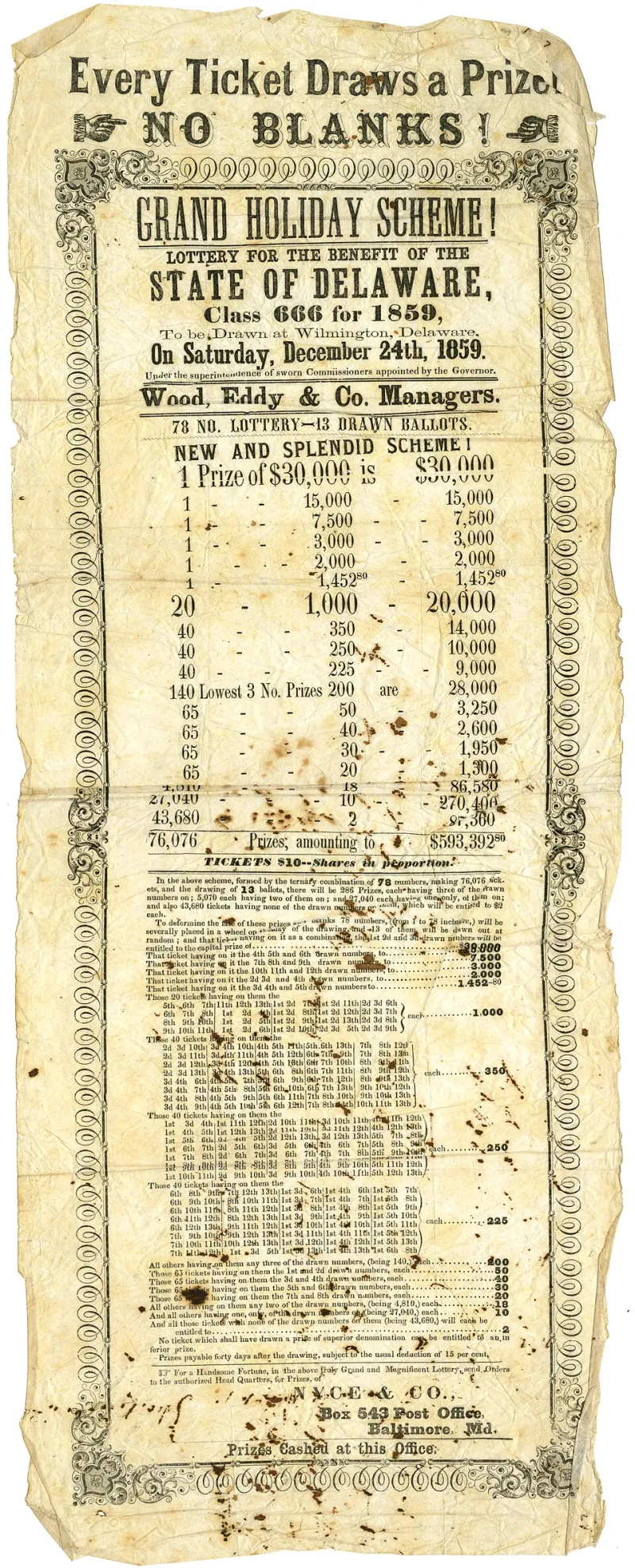
From Birthday Picks to Hot-Number Lore: How US Lottery Number Habits Have Changed
Ask a lottery player how they choose numbers and you often get a tiny autobiography. One person uses family birthdays. Another swears by the number on an old jersey. Someone else lets the terminal pick. These habits are part of the culture around draw games, and they have shifted over the decades as lotteries moved from paper slips and televised drawings to apps and social media posts.
But there is a line between a fun ritual and a faulty belief. Number patterns can make a ticket feel personal. They do not make a draw less random. Every valid combination in a fair lottery has the same chance, whether it looks meaningful or not.
The birthday block: 1 through 31
The most durable US number habit is probably the birthday pick. Dates give players a ready-made set of numbers, and they feel personal. Anniversaries, school years, and family birthdays all fit neatly into the 1-through-31 range. The habit shows up across age groups, but it is especially associated with players who like to choose numbers by hand rather than take a quick pick.
The side effect is that birthday-heavy tickets cluster in the low numbers. That does not hurt a player's odds of matching the draw. It can affect how many people share a prize if those numbers hit, because popular patterns tend to be popular. Choosing numbers above 31 does not make anyone smarter. It just changes the sharing math, not the randomness.
The 1970s and 1980s: lucky 7 and family lore
In the early decades of modern state lotteries, players often relied on personal lucky numbers, family lore, and newspaper results. The number 7 carried cultural weight for many players, and 13 picked up a second life as either a number to avoid or a badge of rebellious luck. Repeating digits such as 11, 22, and 33 also had a certain visual appeal on paper tickets.
Hot and cold number folklore existed too, but it moved more slowly. Players might scan a printed results page or listen to a friend's theory. The appeal was less about data and more about story. A number that appeared often felt friendly. A number that had not appeared in a while felt due. Neither feeling changed the actual odds.
The 1990s: quick pick goes mainstream
As lottery terminals became more common, quick pick became a bigger part of the routine. That shifted the culture in a subtle way. Instead of every ticket carrying a personal story, more tickets carried a random set generated by the system. Self-pick players still leaned on birthdays, lucky numbers, and patterns on the play slip, but the quick pick gave casual players permission to skip the number debate entirely.
The 1990s also brought more televised drawings and more local lottery coverage. That made winning numbers feel like community events. It also made it easier for players to remember clusters of results and turn them into stories. A number that showed up twice in a month became a hot number in conversation, even if nothing about the draw had changed.
The 2000s: hot-number charts and internet lookup
Online access changed the hot-and-cold number hobby. Players could look up past results, print charts, and compare frequencies without waiting for a newspaper. Some treated those charts as a system. Others treated them as a puzzle. Neither approach changed the underlying math.
This is where the gambler's fallacy tends to sneak in. A number that has not appeared in a while is not due. A number that appeared often last month is not on a streak. In a fair draw, each drawing is independent. The balls do not remember the last result, and the machine does not owe anyone a correction.
The 2010s and 2020s: apps, analytics, and anti-pattern picks
In the app era, number selection became more personal and more public at the same time. Players can save favorite sets, subscribe to draw reminders, and share screenshots of play slips. Quick pick is still a huge part of the mix, but so are curated personal numbers and playful systems built around dates, repeated digits, or favorite players and teams.
A newer habit is choosing numbers specifically to avoid popular patterns. Some players skip birthday ranges or obvious sequences because they want to reduce the chance of sharing a prize. That is a reasonable sharing strategy, but it is not an odds strategy. Avoiding popular numbers does not make a ticket more likely to win. It may only change how many people would split a prize if it did win.
Do demographics really explain number picks?
Broadly, older players may be more likely to stick with birthdays and family numbers, while younger players may lean on quick pick, apps, and saved digital sets. But those are loose trends, not rules. Plenty of younger players have lucky numbers, and plenty of longtime players take quick picks. Regional culture matters too. Certain numbers carry local or cultural meaning, and those meanings can be stronger than any national trend.
What cuts across demographics is the desire for a story. A ticket with numbers that mean something feels different from a random slip. That feeling is real. It just is not evidence of a predictive edge.
Hot numbers, cold numbers, and the odds
A hot number is simply a number that has appeared recently. A cold number is one that has not. In a fair lottery, those labels describe the past, not the future. The odds of a jackpot remain tiny no matter which numbers you choose. For a game like Powerball, the jackpot odds are about 1 in 292.2 million. A patterned ticket and a quick pick are both chasing the same long shot.
The combination 1-2-3-4-5-6 has the same chance as any other valid combination in a fair draw. It may be chosen by more people, which can affect prize sharing, but it is not mathematically less likely. That distinction is the whole game: patterns can change behavior and sharing, not randomness.
How to enjoy number patterns without fooling yourself
- Pick numbers because you like them, not because you think they are due.
- Set a budget before you buy, and treat lottery spending as entertainment.
- Do not buy more tickets to chase a cold number or extend a hot streak.
- If you avoid popular patterns, know that you are managing sharing, not improving odds.
- Check official state lottery rules for game details and claim windows.
- Take a break if number chasing starts to feel stressful rather than fun.
US lottery number habits will keep evolving. Birthdays will stay popular, quick pick will stay convenient, and hot-number charts will keep giving players something to talk about. The best approach is to enjoy the ritual while keeping the math in view. A lucky-looking ticket is still a ticket. The draw is still random.