The Wallet Is Not a Vault: Giving Your Lottery Ticket a Real Shelf Life

Photo: crumpled paper lottery ticket in jeans pocket with lint and washing machine background, via duyt4h9nfnj50.cloudfront.net
Most lottery tickets live a rough life. They get folded into a wallet, shoved into a cup holder, forgotten in a jeans pocket, and occasionally sent through an entire wash cycle. Then, if the numbers hit, that same battered slip of thermal paper is expected to behave like a legal document. Sometimes it does. Sometimes it does not.
That is not a reason to panic every time a ticket gets a crease. It is a reason to treat the ticket like what it is: a physical object with a shelf life. In 2026, the cheapest insurance for a US draw player is still a phone photo and a dry, flat place to keep the paper.
How a Lottery Ticket Actually Holds Its Information
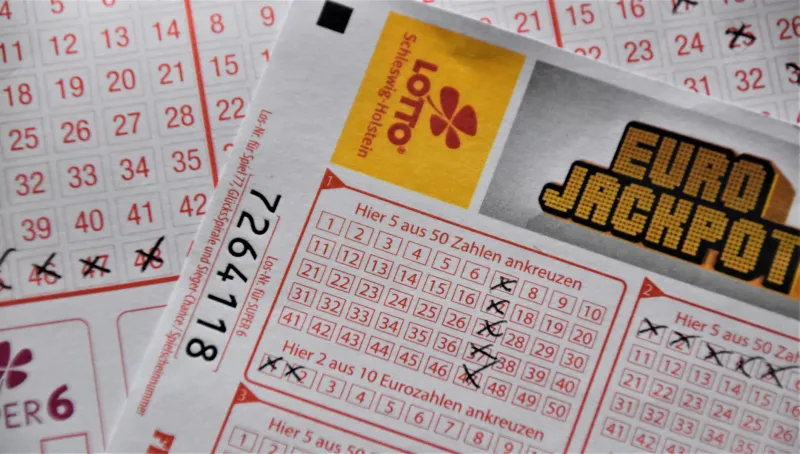
Most retail lottery tickets are printed on thermal paper. The printer does not lay down wet ink the way an office printer does. Instead, a heated print head darkens a coating on the paper to form the numbers, text, and barcode. That is why the print can look slightly shiny or gray, and why it can fade when exposed to heat, sunlight, friction, or certain chemicals.
The barcode is the part that matters most at the counter. A retailer’s scanner reads it to pull up the ticket record in the lottery system. If the barcode is crisp, validation is usually quick. If it is faded, smudged, or partly missing, the clerk may have to type numbers manually or send you to a lottery office. That does not automatically mean the ticket is void. It means the easy path is gone.
What Water, Heat, and Lint Really Do
A quick splash is often survivable. Thermal paper is not designed for a swimming pool, but a rained-on ticket that dries flat may still scan. The bigger problem is the spin cycle. Agitation can wear away the coating, and laundry detergent plus hot water is a bad combination for a barcode. If a ticket goes through the wash, do not iron it, do not microwave it, and do not try to dry it with a hair dryer. Heat is the enemy. Let it air-dry flat and keep it as intact as possible.
A hot car dashboard is quietly destructive. Summer temperatures inside a parked car can climb high enough to darken or fade thermal print over time. Pocket lint is less dramatic but still annoying: it can clog the printed surface, and the friction of being carried around can wear down the barcode edges. A ticket that has been in a wallet for three months may look fine at a glance and still scan poorly under a retailer’s light.
The Rules Are State-by-State, Not One-Size-Fits-All
There is no single national rule for damaged lottery tickets. Each state lottery sets its own validation procedures, and those procedures usually focus on whether the ticket can be authenticated. A retailer may be able to validate a ticket with a damaged barcode by keying in information, but many lotteries require damaged or unreadable tickets to be reviewed at a lottery office or submitted with a claim form.
Some states are relatively forgiving if the ticket is clearly genuine and the game, draw date, and numbers can be verified. Others are stricter, especially if the ticket has been altered, taped over, laminated, or reconstructed. That is why the safest move with a damaged potential winner is not to “fix” it yourself. Do not tape over the barcode. Do not trim frayed edges. Do not laminate it. Take it to the lottery or call the number on the back of the ticket and ask what they want you to do.
A Short Preservation Checklist That Actually Works
Before the draw, take a photo of the front and back of the ticket. Make sure the barcode, game name, draw date, and ticket number are readable. Store the photo somewhere you will find it again — a dedicated album, a cloud folder, or even a text message to yourself. The photo is not a substitute for the ticket, but it gives you a record if the paper gets damaged.
Keep the ticket flat and dry. A plain envelope in a drawer beats a wallet fold. Avoid the glove box, the dashboard, and the windowsill. If you are holding tickets for a group, put them in one envelope and tell the group where that envelope lives. If you win, sign the back of the ticket only according to your state’s instructions, and keep it in the envelope until you are ready to claim.
And if the ticket does get washed? Let it dry flat, do not iron it, and check the result through the official lottery app or website before you assume the worst. If it is a winner and the barcode looks rough, go straight to the lottery office rather than a retailer. Calm beats clever here.
A lottery ticket is not a vault. It is a receipt with a job to do. Treat it like one, and you give yourself the best chance of cashing in without a story about the laundry.