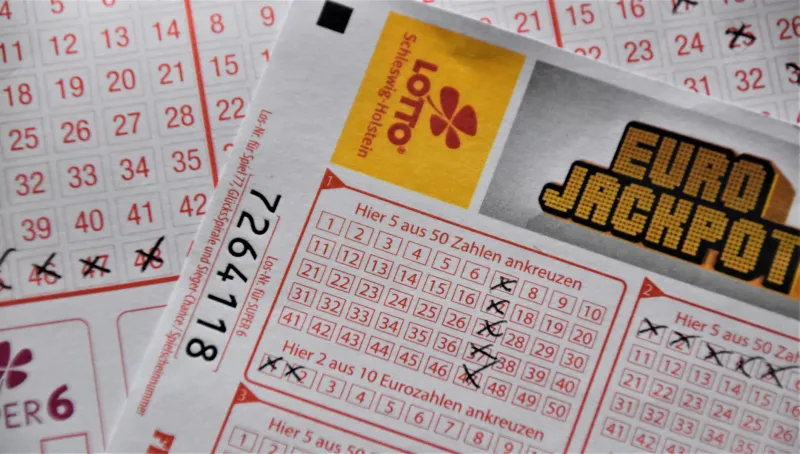
The Bow on the Ticket: Untangling Ownership When Lottery Luck Arrives as a Gift

Photo: Larry Syverson from Richmond, VA, USA, CC BY-SA 2.0, via Wikimedia Commons
A Gift With a Serial Number
Holiday envelopes do a lot of heavy lifting this time of year. Cash, gift cards, a scratch-off tucked beside a candy cane — all of it reads as easy generosity. But a lottery ticket is not quite the same as a five-dollar bill. It has a serial number, a draw date, and a set of claim rules attached to it. Most of the time that does not matter. The ticket loses, everyone laughs, and the card goes in the recycling bin.
Every so often, though, the thing wins. And that is when a cheerful gift turns into a paperwork question that nobody thought to ask at the dinner table. Who owns the prize? The person who bought the ticket or the person who opened the card? Does the giver get a cut? Whose name goes on the claim form? The answers are less mysterious than they feel, but they do require a little care.
Possession Is the Paper Trail's North Star
In most US lottery systems, the ticket itself is the claim instrument. The person who physically holds the ticket and presents it to the lottery is generally the person the lottery will deal with. Think of it less like a gift certificate and more like cash in an envelope. Once it changes hands, the practical control changes hands too.
That does not mean every state writes its rules in identical language. Some lotteries have specific procedures for signed tickets, some allow a ticket to be transferred, and some are strict about who can appear on a claim form. The safe assumption is simple: if you are holding the ticket and the ticket is valid, you are in the driver's seat for the claim process. The giver's intentions are lovely, but the lottery office is not reading the greeting card.
This is why the physical ticket matters more than the story around it. A text that says happy holidays, enjoy the scratch-off is not a legal document. The ticket is.
The Giver's Cut: Manners, Not Math
Here is the awkward holiday scenario: someone gives you a ticket, it wins a meaningful amount, and suddenly the giver wonders whether they should get a piece. Legally, in most cases, there is no automatic cut. A gift is a gift. Unless there was a clear agreement before the win — a family pool, a written note, a group-buy arrangement — the giver generally does not have a claim on the prize just because they bought the ticket.
That said, this is where lotteries stop and families begin. A polite conversation before the ticket changes hands can prevent a lot of quiet resentment later. If a gift ticket is meant to be a shared adventure, say so in plain language. If it is meant to be entirely the recipient's, say that too. The same goes for office gift exchanges and Secret Santa envelopes. A quick sentence now beats a tense phone call after a jackpot announcement.
Claim Forms and Taxes Usually Follow the Signature
When a prize is large enough to require an in-person or formal claim, the lottery will ask for identification and a signature. The person who signs is generally the person the lottery treats as the winner. That matters for withholding, tax reporting, and the paper trail that follows a big win.
For federal tax purposes, gambling winnings are generally income to the person who wins them. If the recipient of a gift ticket claims the prize, the recipient is usually the one reporting the winnings. Smaller prizes may have different withholding thresholds, and state rules vary. This is not a reason to panic over a twenty-dollar scratch-off. It is a reason to keep the claim name consistent and to ask the lottery or a tax professional about larger amounts.
One more wrinkle: a ticket given as a gift is usually not treated as a taxable gift at the time of giving, because the ticket's face value is small. The tax story really begins if and when the ticket wins. That is another argument for deciding ownership early rather than after the numbers are drawn.
A Photo Is a Receipt for Memory, Not Ownership
Photos of lottery tickets are useful. They help you remember the numbers, the draw date, and where the ticket came from. They can help jog your memory if a ticket goes missing. But a photo is not the ticket. It is not a bearer instrument, it does not carry the serial number in a way a lottery office can process, and it does not transfer ownership.
If you are gifting a ticket, hand over the actual ticket. If you are receiving one, put it somewhere safe and treat it like cash. Do not leave it loose in a junk drawer next to expired coupons. Do not laminate it unless you have checked whether your state lottery accepts laminated tickets — many do not. And do not assume that a screenshot of the barcode will save you at the claims counter.
The practical rule is boring and reliable: the original ticket, kept intact and accessible, is the thing that matters.
Family Pools and Group Gifts Need a Sentence, Not a Speech
Group gifting gets messy because everyone remembers the purchase differently. One person bought the tickets, another chipped in for the card, a third picked the numbers. If the ticket wins, those memories can diverge fast.
A short written note solves most of it. Who owns the ticket? Who will claim? How will the money be split? It does not need to be a legal contract. A group text that everyone acknowledges is better than nothing, and a signed note is better still. Keep a copy of the ticket and the note together. If the group is large, name one person as the designated claimant before the draw, not after.
Minors and Other Wrinkles
State rules on minors and lottery claims vary, and many lotteries do not allow a minor to claim a prize directly. If a ticket is gifted to a child, the claim process may need a parent or guardian, and larger prizes can involve trusts or court procedures. That is not holiday dinner conversation for most families, but it is worth knowing that a child holding a winning ticket is not automatically the person signing the claim form.
A Short Pre-Gift Checklist
Before a ticket goes into a card, decide who will claim if it wins. Keep the original ticket intact. Check your state lottery's rules on signing, transferring, and claiming. If it is a group gift, write down the split while everyone is still friendly. And keep the responsible-play frame in view: a gifted ticket is entertainment, not a financial plan. Set a budget that feels comfortable whether the ticket wins or loses.
The best holiday lottery gift is the one that stays fun either way. A little clarity about ownership does not ruin the surprise. It just keeps the surprise from turning into a claims-office scavenger hunt.