The Middleman Between You and the Balls: Lottery Courier Apps in 2026

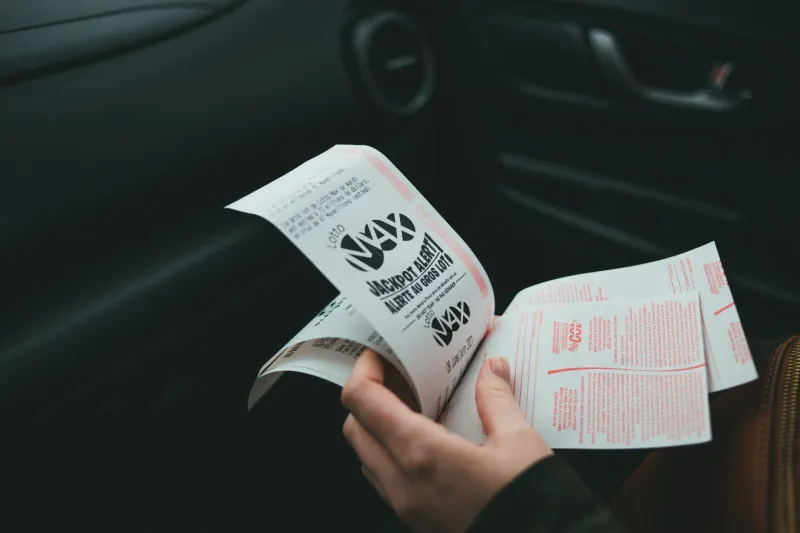
Photo: Rawpixel.com, CC0, via Wikimedia Commons
You tap a button, pay with a card, and a digital receipt lands in your inbox. Somewhere out there, a person or a partner retailer buys a lottery ticket on your behalf. That is the basic pitch of a lottery courier app, and in 2026 it is a bigger business than ever. The appeal is obvious: no line, no forgotten ticket in the console, no last-minute dash before the cutoff. The trade-off is less obvious. You are not buying from the state lottery directly. You are buying through a middleman, and the middleman matters.
What a Courier App Actually Sells You
A courier service is not the same thing as an official state lottery sale. When a state lottery sells you a ticket online, the state's system records the transaction and the state is the seller. A courier app is a third party that takes your order and then purchases a ticket from a retailer or through its own network. You get a confirmation, often a scan of the ticket, and a promise that the physical ticket is being held for you.
That distinction is not splitting hairs. It shapes who you call if something goes wrong, how a prize gets claimed, and what happens if the company changes hands or shuts down. Before you download anything, find out whether the app is a courier, a retailer, or an official state lottery product. The labels get fuzzy in marketing copy, so read the terms and check your state lottery's own website.
Custody: Who Has the Ticket?
This is the question that separates a casual purchase from a genuine headache. If the app holds the ticket, you are relying on its storage, its records, and its process. Ask where the physical ticket lives. Is it in a vault, a locked drawer at a partner store, or a scanned image with the paper stored elsewhere? Can you request the original? What happens if the courier loses the ticket, or if the business closes before the draw?
With an official state e-ticket, the state's central system is the record. With a courier, the record may be the courier's database plus a piece of paper you have never touched. That can still work, but you should know the chain of custody before you rely on it. A screenshot of a ticket is not the same as the ticket itself when a large prize is on the line.
Fees and the Real Price of Convenience
Courier apps make money in several ways. Some charge a flat service fee per ticket. Some add a convenience fee at checkout. Some mark up the ticket price, require a subscription, or charge for card processing. A $2 ticket with a $1 fee is a 50 percent markup. That sounds small until you buy across several draws a week.
Run your own math before you commit. Add up the ticket price, the service fee, any subscription, and any withdrawal or payout fee. Compare that to what you would spend buying directly from a retailer. Convenience is a legitimate thing to pay for, but it should be a choice, not a surprise at checkout. Set a monthly ceiling that includes fees, not just ticket face value.
The Legal Map: State by State
Courier rules are not uniform in the US. Some states have allowed courier-style purchasing to operate, some have not addressed it directly, and some have made clear that lottery sales must go through official retailers or the state's own online system. A courier app being available in your app store does not prove it is legal where you live. Availability is a business decision, not a legal ruling.
Check your state lottery's official site for its position on online and courier purchases. Look for age and location verification, too. Reputable services will ask where you are and confirm you meet the state's age requirement. If an app skips those steps, treat that as a warning sign rather than a shortcut.
Account Security and the Notification That Pushes
A courier account can hold your payment method, your address, and a record of every ticket you have bought. Treat it like a financial account. Use a strong, unique password. Turn on two-factor authentication if the app offers it. Avoid storing more payment information than you need, and review your purchase history regularly.
Then there is the notification problem. Lottery apps are designed to bring you back: jackpot alerts, last-chance reminders, hot-number nudges, and the gentle pressure of a countdown clock. None of that is illegal, but it can turn a fun purchase into a reflex. Turn off marketing push notifications. Set deposit or spending limits if the app allows them. If it does not, set your own limit outside the app and stick to it. A notification is not a reason to buy.
If You Win: Claims Through a Third Party
Small prizes may be credited to your account, but larger prizes usually require the physical ticket and a claim form. If a courier holds your ticket, the claim process may run through the courier first. That can add steps and time. Ask ahead of time how the service handles wins above a certain amount. Who signs the ticket? Who delivers it to the lottery claim center? What is the timeline?
Keep your own paper trail: confirmation emails, ticket scans, and account statements. If a dispute arises, the state lottery may not be able to help in the same way it would if you had bought directly from an official retailer. That is not a reason to panic, but it is a reason to read the claim section before you need it. Also check the state's claim deadline. A courier cannot extend it.
Guardrails Worth Setting Before You Download
Start with your state lottery's official guidance. Then read the courier's fee schedule and claim policy. Set a spending limit that includes fees. Turn off promotional notifications. Keep a simple log of what you bought and when. And remember that a courier app is a convenience product, not a strategy. The odds do not change because the purchase was easy.
Here at Lucky Draw Lots, we track draw schedules and number trends, but the most useful habit is still the boring one: know what you are buying, who is holding it, and how you would claim it. If you cannot answer those three questions, the app can wait.
The Bottom Line
Courier apps can make lottery buying feel frictionless, and frictionless is exactly what makes them worth scrutiny. The ticket you never hold still has a chain of custody, a fee structure, and a legal home state. Check all three before you tap buy. Convenience is fine. Losing track of the paper is not.