The Number on the Sign Is Not the Number in the Bank: How Rolling Jackpots Really Work in 2026
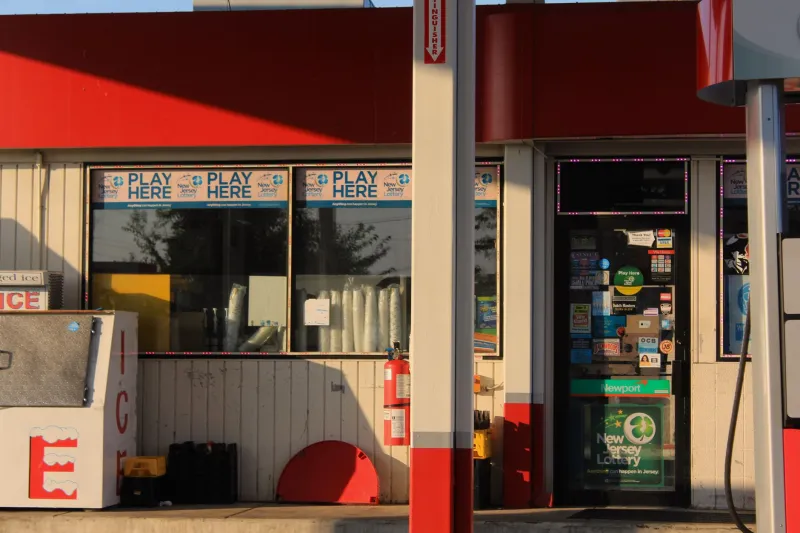
You have seen the scene: a gas station sign, a convenience store marquee, a phone alert, all pushing a jackpot number that seems to change every few days. The figure climbs, the headlines get louder, and suddenly everyone has a cousin who is definitely buying a ticket. But that big number on the sign is not the same as the amount sitting in a winner’s bank account. In 2026, with US lottery jackpots routinely crossing into headline territory, it helps to know what the number actually represents.
Why the Sign Keeps Changing
A lottery jackpot rolls over when no ticket matches the top prize in a given draw. The money that would have gone to a grand-prize winner stays in the prize pool and becomes part of the next advertised jackpot. Add in projected ticket sales for the next drawing, and the number grows again.
That is the basic engine. It is not a mystery, and it is not a signal that a win is “due.” A rollover simply means the top prize was not hit. The game’s rules decide how much of each ticket sale feeds the prize pool, how the top prize is structured, and how many rollovers are allowed before the game resets or changes. Those details vary by game and by state, but the headline logic is consistent: no top-tier winner, bigger advertised prize next time.
Annuity vs. Cash: Two Numbers, One Headline
The advertised jackpot is usually the annuity value. That is the total amount a winner would receive over time if they chose the annuity option, typically paid in graduated installments over decades. The cash value is the amount available right now if the winner chooses the lump-sum option. It is almost always smaller, often much smaller, because the advertised annuity figure includes what the prize pool is expected to earn over time.
This is where a lot of casual reading goes sideways. People see “$800 million” and imagine $800 million landing in a checking account. In reality, the cash value might be closer to half that, depending on the game, interest rates, and the specific draw. Taxes can take another bite, and state rules differ. If there are multiple winning tickets, the prize is split. The sign is not lying, exactly, but it is advertising the biggest possible version of the prize under one payment option.
A simple way to keep it straight: the annuity number is the marathon version, and the cash number is the sprint version. Both are real. They are just not the same race.
From ‘Estimated’ to Official: What Happens After the Draw
Before a drawing, the jackpot is usually described as estimated. That word matters. Lottery officials project sales for the upcoming draw, and the advertised figure is based on those projections. If ticket sales come in higher or lower than expected, the final number can shift.
After the draw, the prize becomes official. If there is a top-prize winner, the game announces the winning ticket’s location and the official jackpot. If there is no winner, the rollover is confirmed and the next estimated jackpot is set. Retailer signs and social posts sometimes lag behind those updates, which is why you may see an old number hanging around for a few hours. For results, the official lottery source is the one that counts.
How Big Numbers Shape Buying Moods
There is nothing subtle about a giant jackpot headline. It is designed to be noticed. A big number creates a story: the office pool, the “what would you do” conversation, the quick stop at the store. Ticket sales often rise as the advertised jackpot climbs, and that is part of the cycle. More sales can feed a larger projected prize, which feeds more attention.
But here is the calm part: the odds of winning the top prize do not improve just because the jackpot is bigger. Your one ticket has the same chance whether the advertised prize is $40 million or $400 million. A larger jackpot changes the size of the prize, not the likelihood of matching every number. That is why “chasing” a rollover can feel exciting and still be a poor use of a entertainment budget.
At Lucky Draw Lots, we treat jackpot numbers as part of the show, not as a financial forecast. A headline can be fun to read. It should not be the reason you spend money you had not planned to spend.
Reading the Math Without the Hype
If you want to compare a jackpot headline to reality, ask three questions. First, is the number annuity or cash? Second, is it estimated or official? Third, would the prize be split among multiple winners? Those three questions will bring almost any giant number back down to earth.
You can also do a quick gut check. If the advertised jackpot is $800 million and the cash value is $400 million, the lump-sum figure is already half the headline before taxes. If two tickets split it, each share is smaller again. That does not make the prize worthless. It just makes the headline a starting point, not a bank statement.
A Calm Approach for 2026
Treat a rolling jackpot like a movie trailer: entertaining, temporary, and not a plan for your retirement. Set a spending limit before you buy a ticket, and keep it separate from bills, savings, and emergency money. Check official results through your state lottery or the game’s official site. If you win, take a breath before making any decisions, and consider talking to a qualified financial professional.
A jackpot number can glow on a sign for a few days. Your budget has to live with your choices long after the sign changes. Enjoy the draw, read the results, and keep the big number in perspective.