The Minute Before the Balls Drop: Decoding Lottery Cutoff Times in 2026

Draw night has a rhythm. You check the numbers, watch the balls, maybe refresh the results page a dozen times. But before any of that, there's a quieter deadline that decides whether your ticket is even in the mix: the ticket-sales cutoff. It almost never matches the drawing time printed in big letters on the game's marketing, and that gap is where a lot of would-be winners lose their shot before the first ball drops.
Two Clocks, One Confusing Night
A lottery drawing has a scheduled start time. That's the moment the machines or the random number generator go live. The ticket-sales cutoff is different. It's the moment the lottery stops accepting entries for that specific drawing. In most US jurisdictions, the cutoff lands somewhere between 15 and 60 minutes before the draw, but the exact number is set by the state lottery, not by the game's national schedule.
So when you see 'Draw time: 10:59 p.m. ET' on a multi-state game, don't assume you can buy a ticket at 10:45 p.m. and be fine. Your state may have closed sales at 10:00 p.m. or even earlier. The drawing is a national event. The cutoff is a local rule.
Why the Cutoff Moves Around
State lottery commissions set their own sales windows for a reason. Some run terminal batch processes that need a clean break before the draw. Others coordinate with retailers who close at different hours. In 2026, a handful of states have shifted cutoffs earlier for certain draw games to accommodate system upgrades, while others have kept their long-standing windows.
Retailer type matters too. A 24-hour convenience store may still be open at 10:30 p.m., but its lottery terminal might stop accepting entries for the night's draw at 9:55 p.m. because the state's central system says so. The cashier can't override it. The terminal simply prints a ticket for the next available drawing, which is a detail worth checking before you walk away.
Time zones add another layer. A game with a 10:59 p.m. Eastern draw has a 9:59 p.m. Central cutoff in some states, but a state on Mountain Time may have its own rule that doesn't line up neatly with either. If you're traveling or buying across state lines, the clock on your phone is not the clock that matters.
The App Timestamp Trap
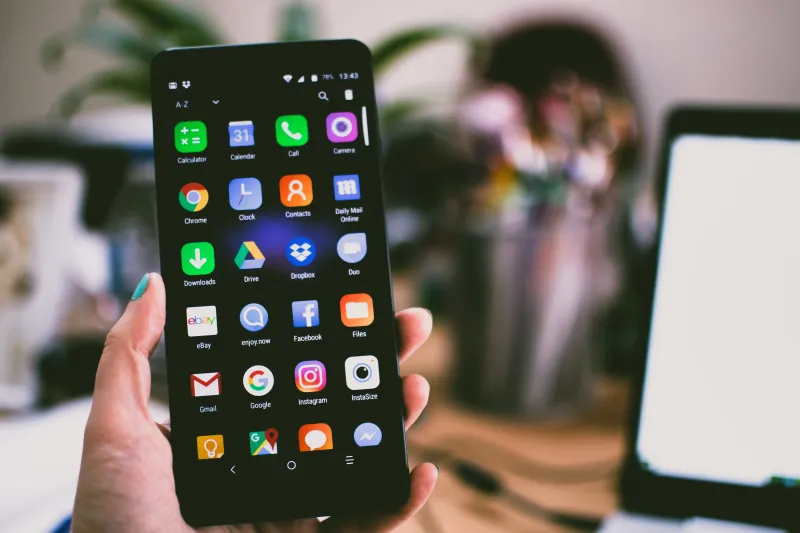
Here's where things get slippery. Lottery apps and third-party ticket-checking tools often show a purchase timestamp that reflects your phone's clock or the app's local cache, not the lottery's central server. You might tap 'buy' at 7:58 p.m., see a confirmation screen, and assume you're in. But if the terminal's actual timestamp reads 7:59:30 and the cutoff was 7:59, that ticket may be assigned to the next drawing.
That's not a scam. It's a system boundary. The official record is the lottery's central timestamp, not your screenshot. If you ever need to confirm which drawing a ticket belongs to, the printed ticket and the state lottery's records are the sources of truth. Keep your ticket, and if something looks off, contact the lottery directly rather than relying on an app's confirmation screen.
A Five-Minute Routine That Saves You a Draw
You don't need a spreadsheet to avoid cutoff surprises. You need a habit.
First, look up your state lottery's official cutoff page before you buy. Not a third-party results site, not a forum post from three years ago. The official page lists the current sales cutoff for each draw game, and it's updated when rules change.
Second, convert the cutoff to your local time. If the page says '10:00 p.m. ET' and you're in Chicago, that's 9:00 p.m. for you. Write it down or set a phone reminder for 30 minutes before that local time.
Third, buy earlier than you think you need to. A good rule of thumb is at least an hour before the cutoff. That buffer covers slow terminals, long lines, and the occasional system hiccup. It also gives you time to notice if the printed ticket shows the wrong draw date.
Fourth, check the ticket before you leave the counter. Look at the draw date and the drawing time printed on it. If it says tomorrow's date when you wanted tonight's draw, speak up before you walk away. Once you're out the door, fixing it becomes a customer-service conversation instead of a quick reprint.
Fifth, don't trust your phone's clock as the final word. If you're buying at 8:59 p.m. for a 9:00 p.m. cutoff, you're already late in practice. The terminal may have its own lag. Give yourself room.
When You Miss the Cutoff
It happens. You misread the time, the line was long, or the app glitched. The first thing to do is check what drawing your ticket actually belongs to. Many tickets purchased after the cutoff are valid for the next drawing, which means your money isn't wasted, just redirected. If you didn't intend to enter that next draw, you can usually ask for a refund or void the ticket before it's processed, depending on your state's rules and the retailer's policy.
What you shouldn't do is panic-buy a stack of tickets for the next draw just to feel like you're back on track. That's the cutoff trap turning into a spending trap. One calm purchase is better than five rushed ones.
The Lucky Draw Lots Reminder
Cutoff times are a practical detail, not a lucky one. Knowing them helps you make calmer decisions and avoid the frustration of a ticket that doesn't count for the draw you had in mind. But no cutoff routine changes the odds. Play within a budget you set before you walk into the store, treat the ticket as entertainment rather than an investment, and if a draw night slips past you, let it go. There's always another drawing, and the best ticket is the one you bought on purpose, not in a panic.