The Last Shelf Before the Door: Why Checkout Counters Sell Chance So Well
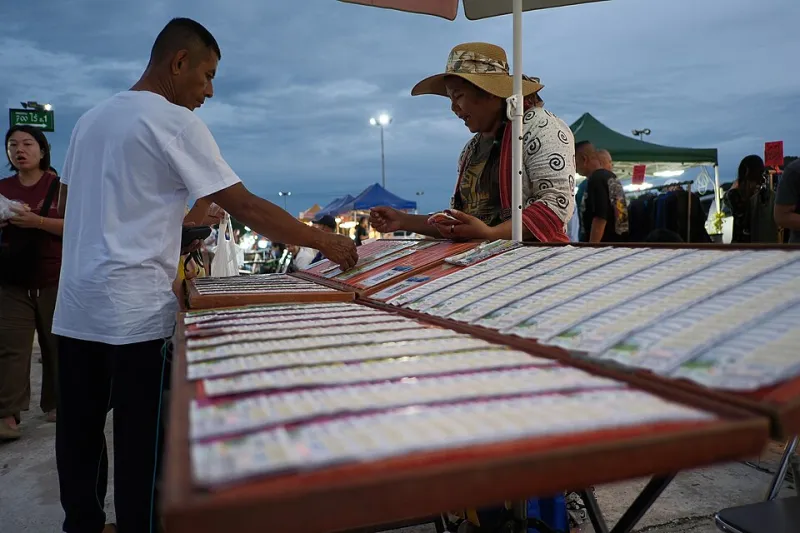
Photo: PattayaPatrol, CC BY-SA 4.0, via Wikimedia Commons
You came in for milk, batteries, and a birthday card. You leave with all three plus a scratch ticket and a Powerball slip. Nothing about that sequence is random. The ticket rack by the register is one of the most studied pieces of retail real estate in the country, and in 2026 it is still doing quiet, effective work on US shoppers.
This is not a lecture about willpower. It is a look at why the last six feet of a convenience store matter so much, what behavioral research says about the moment you are standing there, and how a short, practical pause can turn an impulse into a decision.
The candy aisle moved six feet left
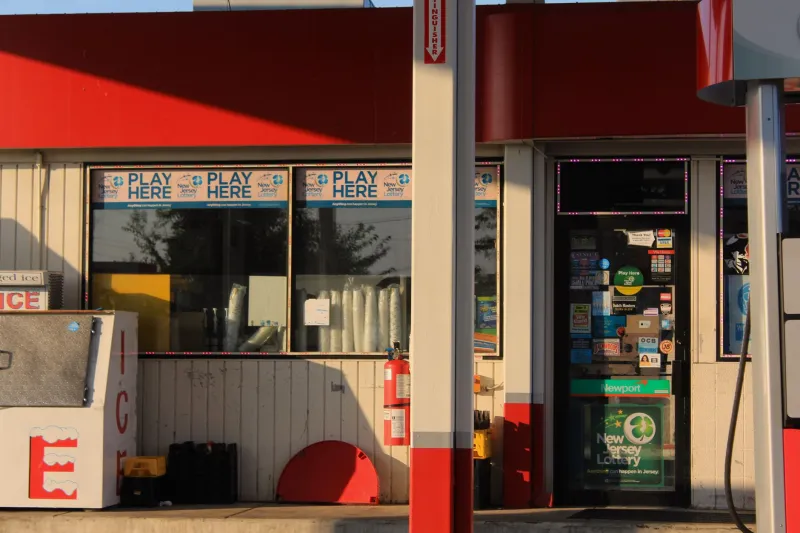
Walk into almost any gas station, drugstore, or grocery in the US and you will find the same geography: candy, gum, tabloids, and lottery tickets clustered where the line forms. Retail designers call this the checkout zone, and it exists because waiting is dead time. A brain with nothing to do will look for something to do. Small, cheap, colorful items fill that gap.
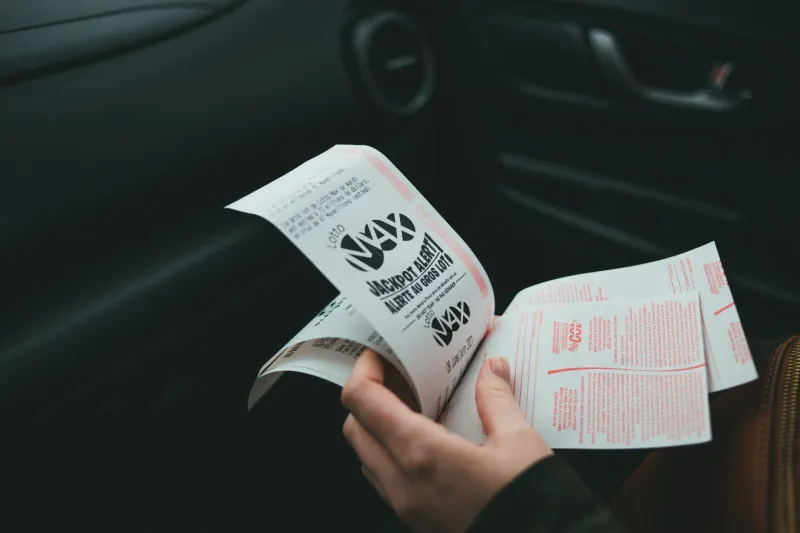
Lottery tickets fit the slot almost too well. They are small enough to display in a spinner or a slim counter rack. They are priced low enough to feel like a rounding error. And they carry a story on the front — a jackpot number, a game name, a promise of a different afternoon. The terminal itself has to sit near the register for security and staffing reasons, which conveniently puts the whole category inside the customer's last few seconds of attention.
State lottery rules vary, but the retail logic does not. A ticket is a low-margin, high-turnover item that takes up almost no shelf space and gives the store a reason for customers to walk in. Placement is not a conspiracy. It is merchandising. The effect on your decision-making is real anyway.
What waiting does to a decision
Behavioral research has a few useful labels for this moment. One is cognitive load: by the time you reach the register, you have already made dozens of small choices, and your brain is looking for the easiest next option. Another is the pain of paying, which feels sharper for large purchases and softer for small ones. A two-dollar ticket barely registers as a purchase at all.
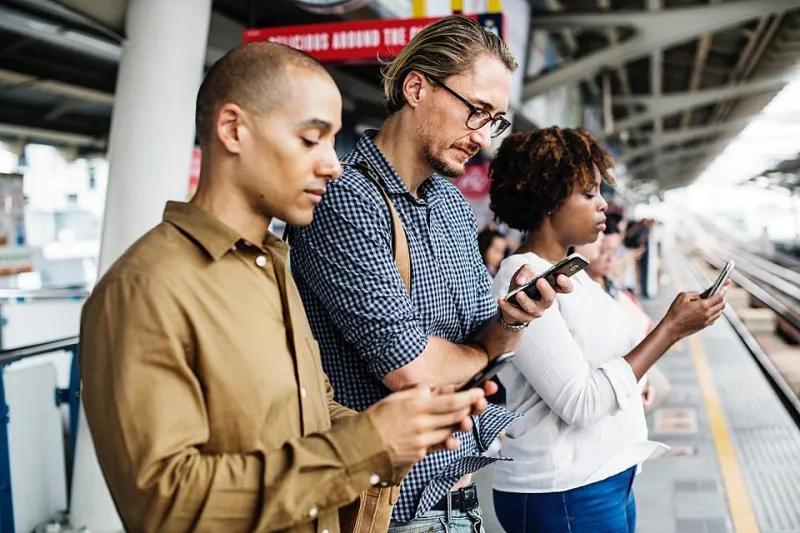
Then there is the queue itself. Standing still with a wallet already open is a low-stakes window. The jackpot sign above the counter is visible. The person ahead of you might be buying a ticket, which makes the behavior feel normal. Researchers who study impulse purchases often point to availability and social cues as quiet nudges, and the checkout counter supplies both without saying a word.
The ticket also borrows cues from candy. Bright colors, simple prices, a quick hit of possibility. But a candy bar and a lottery ticket are not the same kind of purchase. One ends when you eat it. The other invites you to imagine a different life for the rest of the day. That fantasy is the product, and it is why the shelf works so well.
Why 'while I'm here' is such a slippery phrase
Most impulse lottery purchases are not framed as lottery purchases. They are framed as errands. I am already here. I have cash back. The line is long. It is only a few dollars. Each phrase is true on its own, and together they turn a planned stop into an unplanned spend.
The trouble is that small purchases are hard to audit in memory. A single ticket disappears into the grocery total. Ten of them across a month do not. That is why the receipt jar exercise matters more than any single decision at the counter: the pattern is the purchase, not the slip.
The three-question pause
Before you hand over the cash, try a short pause that fits inside the time it takes to load a bag. Ask yourself three questions, in order.
First: Did I plan to buy this ticket before I walked in? If yes, you are executing a decision. If no, you are responding to a shelf. Neither answer is a crime, but the honest one tells you which mode you are in.
Second: Is this money already inside my entertainment budget, or is it coming from somewhere else? Lottery spending should come from money you have already decided is okay to spend on fun. If the answer is vague, that is the signal.
Third: Would I still want this ticket if the jackpot were half the size and no one were behind me in line? This question strips away the two strongest environmental cues — the big number on the sign and the social pressure of the queue — and asks what is left.
You do not need to answer perfectly. You need to answer before the terminal prints. A pause of five seconds is enough to turn a reflex into a choice.
Habits that beat the shelf
If the checkout counter keeps winning, change the setup rather than the willpower. Decide your lottery budget for the month and move it to a separate envelope or account. Buy tickets on a planned day, not during errands. Check results from a saved link instead of the counter sign. Keep a small receipt log so the month tells you the truth. And if you play in a group, settle the rules before the first ticket, not after a win.
None of this requires being grim about lottery play. Most people buy a ticket for the same reason they buy a candy bar at the register: it is a small, affordable bit of fun. The goal is to keep it small, affordable, and chosen.
The store is not the villain
Retailers make money from lottery sales, and state lotteries fund programs that many residents rely on. The checkout rack is a business decision, not a personal attack. But the same placement that makes the category convenient also makes it easy to buy on autopilot. Responsible play is not about avoiding the store. It is about noticing the shelf, naming the nudge, and deciding on purpose.
If lottery play ever stops feeling like entertainment, help is available. The National Problem Gambling Helpline is 1-800-GAMBLER, and many state lotteries offer self-exclusion programs. In 2026, the smartest habit is still the oldest one: know your number before you walk in, and let the last shelf before the door be a choice rather than a reflex.